Projects
Silicosis Prevention
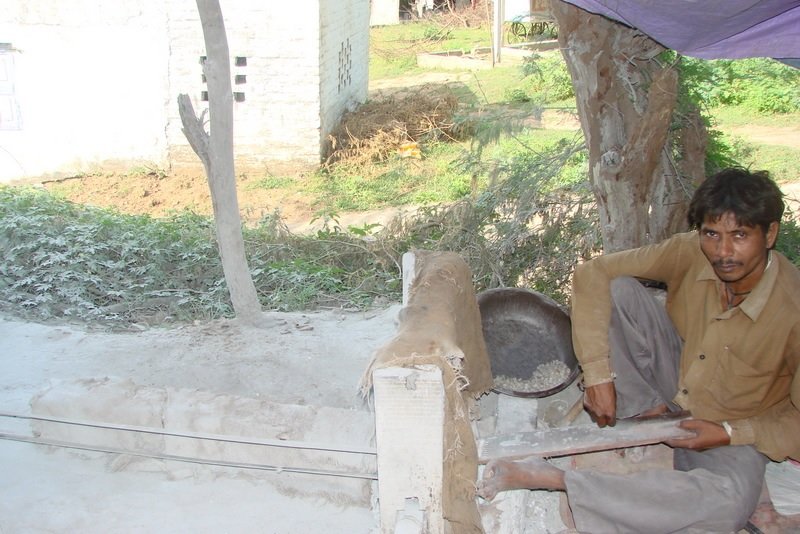
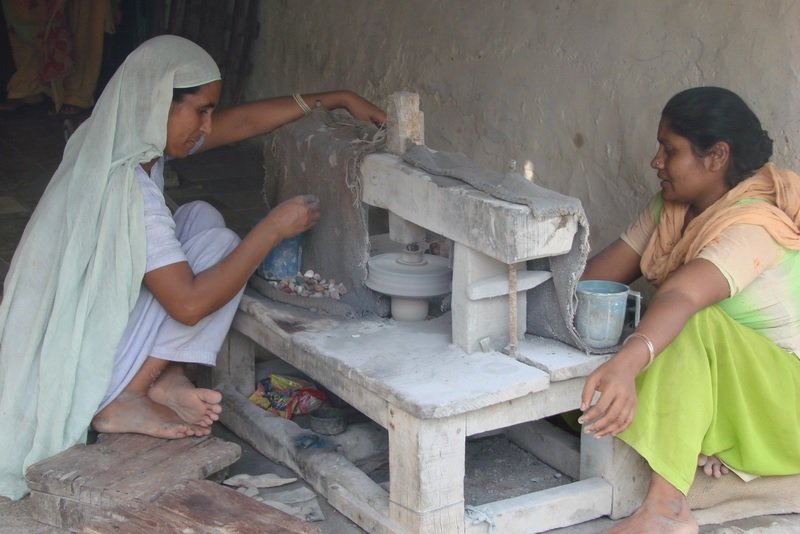
Bead craft is an ancient human craft. It developed at Khambhat centuries ago when Khambhat was one of the important ports on western coast of India. After the electricity came, the handicraft slowly got mechanized. Mechanization increased the pace of production. The workplace became dusty. The stones contain huge amount of free silica. Large numbers of men & women became victims of Silicosis – deadly occupational disease. We supported efforts for prevention since 1990. PTRC has been running its own program since 2002. We put in our efforts to popularize safer technology & health education through various innovative activities. We have been helping victims and other affected populations for rehabilitation, group insurance, getting Government schemes implemented. We are helping victims to get organized for justice. PTRC is a member of ANROAV. ANROAV is in forefront of Campaign to eliminate Silicosis. As part of this Campaign, PTRC (India) & LAC (Hong Kong ) have come together to launch campaign to eliminate Silicosis in Gems & Jewelry industry in both the countries. By 2017 we were able to achieve many of our goals. Our several petitions before the National Human Rights Commission led to a spot inquiry by the Commission in 2015. High-level officers spent a week in Khambhat to investigate the complaints and the problem. State Government passed a resolution in 2014 to pay Rs. 1 lakh to the families of the workers who die of silicosis and initially, 60 families were paid in a short time. At the Government community health center they started a diagnosis facility to enable them to claim financial assistance. Government set up several day care centers for children. So, we had closed our day care center to avoid duplication. Our clinic became irrelevant as Government started disagnosis. This was perfect time to withdraw. In 2017 we slowly started withdrawing and develop program in Surendranagar, Rajkot and Morbi.
Work with Chromium workers
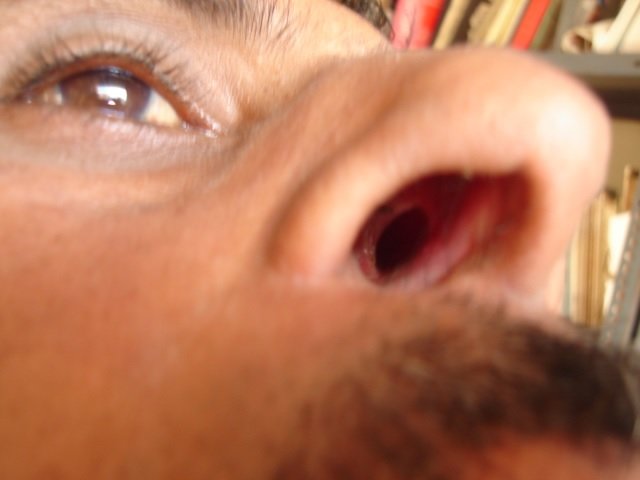
A factory manufacturing Sodium bichromate, Basic Chromium Sulfate and chromic acid employed about 200 workers. The OHS condition at work remained poor. Workers were organized. In 1985, we noticed dermatitis among the workers. We had to wait till 1993, when one of the workers had to amputee one of his toes. Union and the workers got interested. When the Factories Inspector was persuaded they found 36 workers with nasal septum perforation. Upon more inquiry we came to know about various other health problems related to workplace like Asthma, liver problems etc. Workers were explained about their rights for compensation and helped them claim and at various stage of processing the claim. Eventually few workers got the compensation but most could not get a favorable decision by Medical Board. Workers decided to challenge the decision of the board in court of law. We are helping them in locating lawyer, preparing petition, negotiations with lawyer, fees for the petition etc. Complaints remained pending with the Medical Appeal Tribunal since 2001 for a hearing but the State Government did not form the Tribunal. Meanwhile, several petitioners have died before they get the justice. Since the factory was closed down and workers were no more employed, the campaign died down. The Factory Inspectorate filed several complaints against the factory for violating the provisions of the Act. We learnt later that all the complaints were sent to Lok Adalat for adjudication and there the complaints were settled for a negligible fine
Silicosis among Stone crushers
Tribal workers from Rajasthan, Madhya Pradesh and Gujarat find employment in stone crushing units in Gujarat which manufacture quartz powder of different mesh sizes. Godhra and Balasinor are two towns where these units are situated. Workers normally are given small rooms in the premises to stay. Most workers migrate with their family. Workers exposed to fine silica dust, get Silicosis in due course. They go back to their ancestral village when sick and die there, without the outside world knowing about it. They only know what sicken them though they are not aware about the medical name of the disease. They are also not aware about legal provisions for compensation. When sick, they seek treatment to get relief from Public health services and when no relief comes their way, they go to private sector. To bear the expenses they have to either take loans at heavy interest rates from private money lenders on pledging the land or sale the ornaments, cattle or land. PTRC started working with the victims in Dahod district of Gujarat. We carried out survey to identify the victims, helped them get diagnosed and file compensation claims.